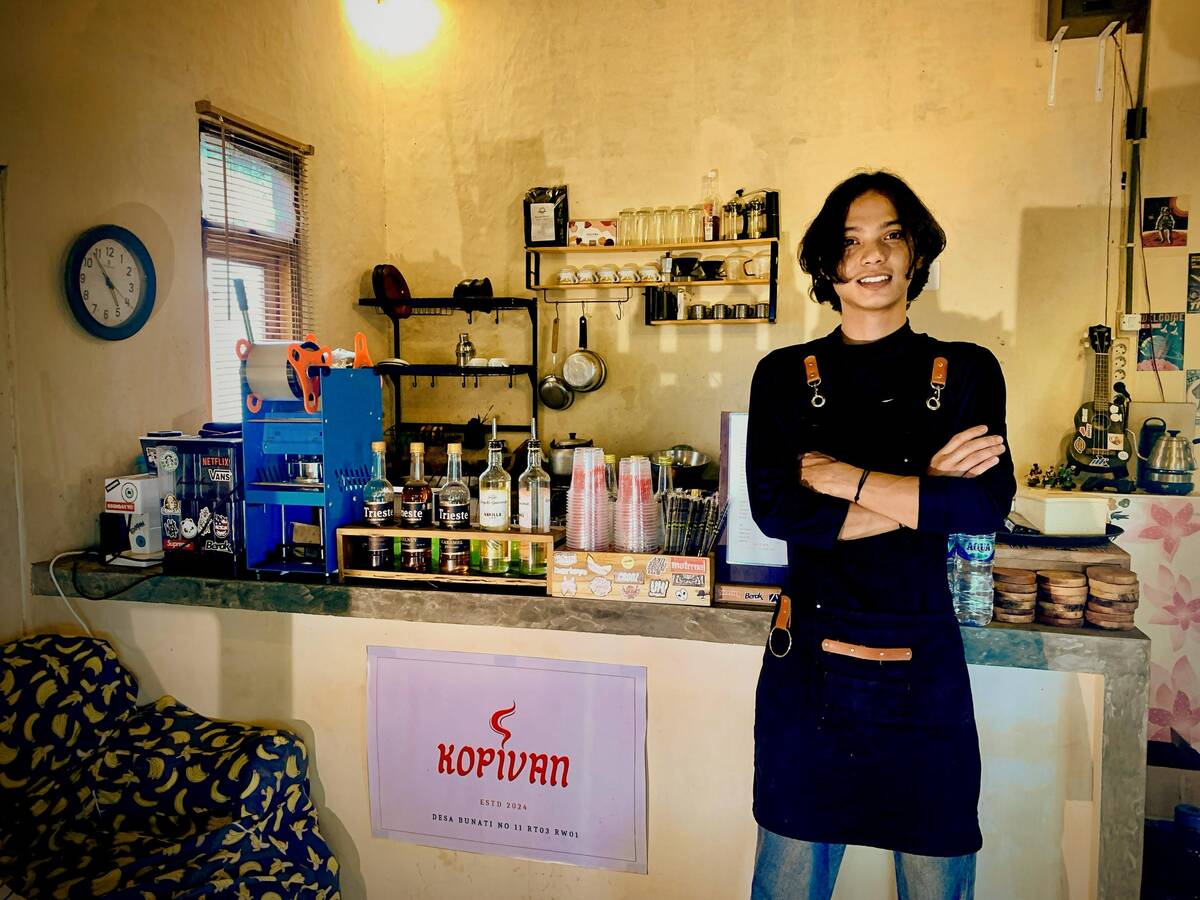
From Learning to Make Coffee to Becoming a Coffeeshop Owner
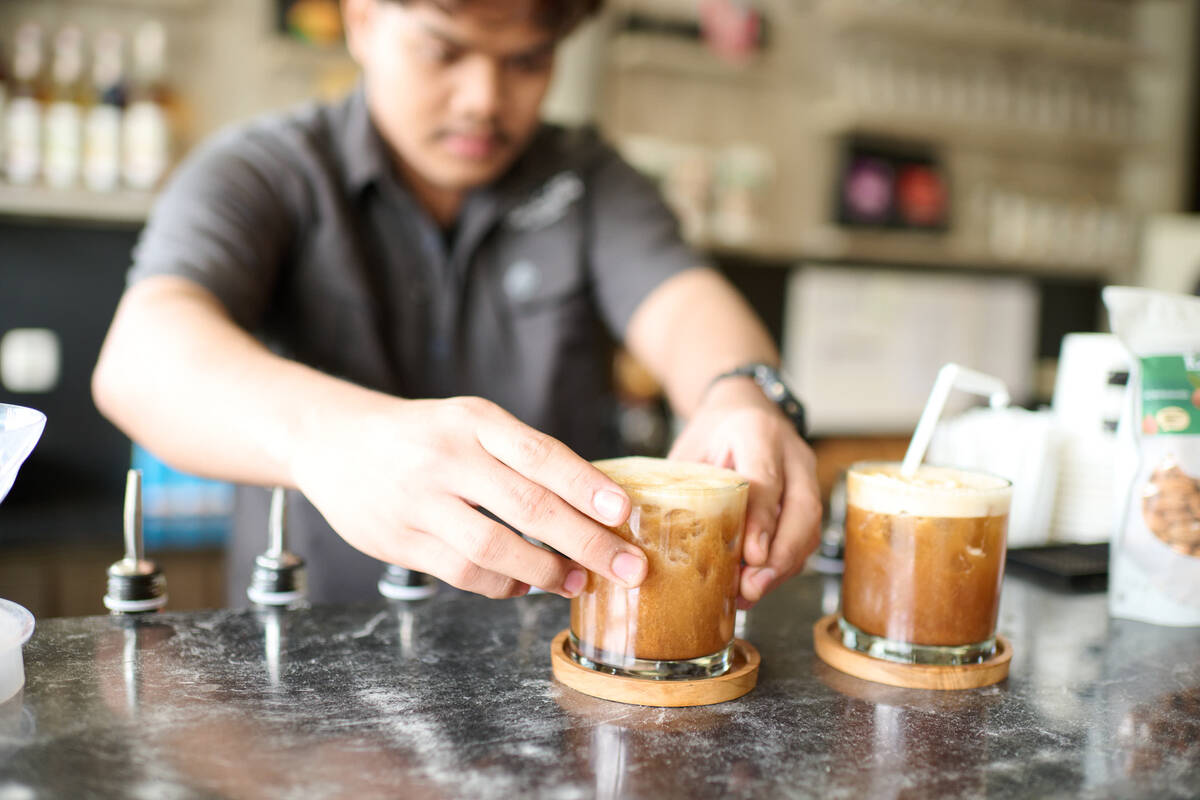
Currently, I am focusing on developing my own business, Cafe-Kopivan. After gaining extensive experience in the world of baristas and café operations through the CSR Village Agent program by PT BIB, I have become more confident in starting my own business in the field I’m passionate about. Through Cafe-Kopivan, I want to present a unique coffee shop concept by serving quality coffee using brewing techniques I have learned.

In addition, I continue to innovate by creating new menu items and offering a more personal experience for customers. Throughout this journey of building my business, I have also learned many new things, such as business and financial management to keep the business running steadily, marketing strategies both offline and through social media to reach more customers, and improving customer service so that everyone who visits Cafe-Kopivan has an enjoyable experience and wants to return.

I also want to share my knowledge with people who are interested in the world of coffee—whether they are friends, colleagues, or communities who want to learn more about being a barista and coffee brewing.
From the Kitchen to the World of Finance

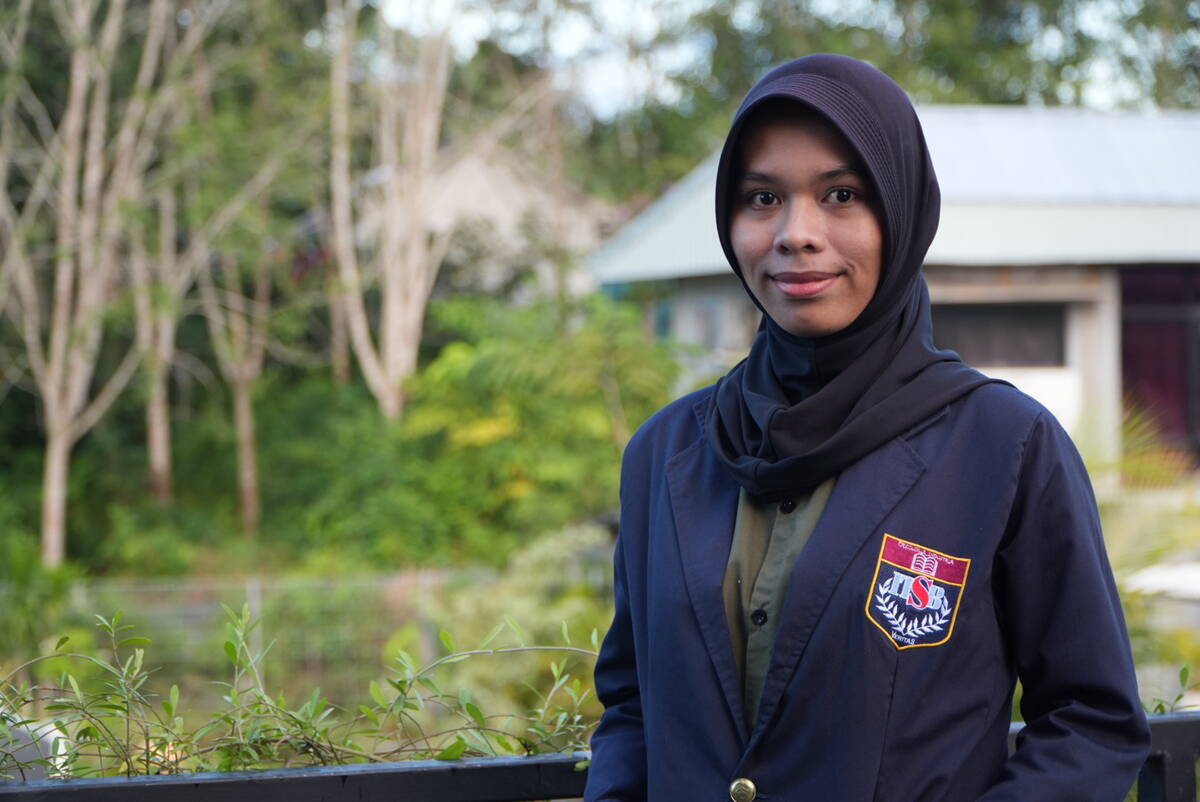
After working for about three months in the kitchen, I was given the opportunity to move to an admin position at Cafe Suwara, which aligned more closely with my educational background in Office Automation and Governance (OTKP) from vocational school. I felt very happy and comfortable because I could finally work in a field that matched my skills. Interestingly, when I first applied, the admin position was actually the one I wanted, but I didn’t pass the interview and was eventually placed in the kitchen instead. However, the experience in the kitchen became a valuable stepping stone.

Eventually, I was given a new challenge: joining the cooperative as a finance staff member. This transition brought a significant change in how I thought and worked. I learned a lot about financial management, recording transactions, and making the right decisions when facing financial issues. Each challenge shaped me into a more mature and responsible individual.

Beyond the valuable work experience, I am also deeply grateful to PT Borneo Indobara’s CSR program for giving me the opportunity to receive a scholarship for a bachelor’s degree in Mining Engineering. This program has become a major motivation for me to continue developing myself and contributing more to society and the surrounding community. As a village agent, I see this program not only as a job opportunity but also as a platform for learning and personal growth.

I believe this program will continue to develop young people who are ready to become future leaders, both in the workplace and in their communities. My hope is that more village agents can receive the same opportunity I did, so we can work together to build a better future.

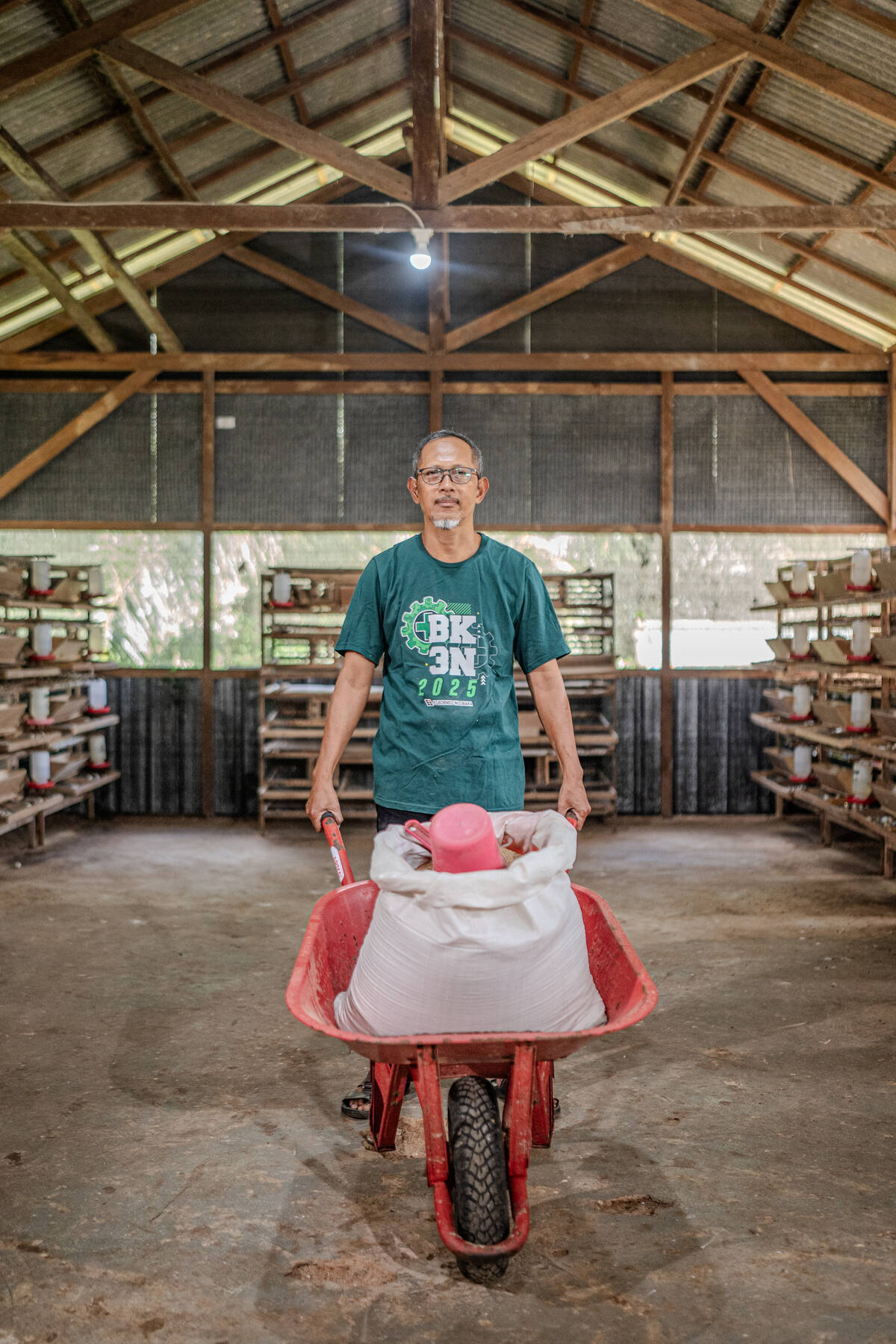
From 30 Quails to Thousands: The Determination of Agus Susanto, a Farmer from Wonorejo Village

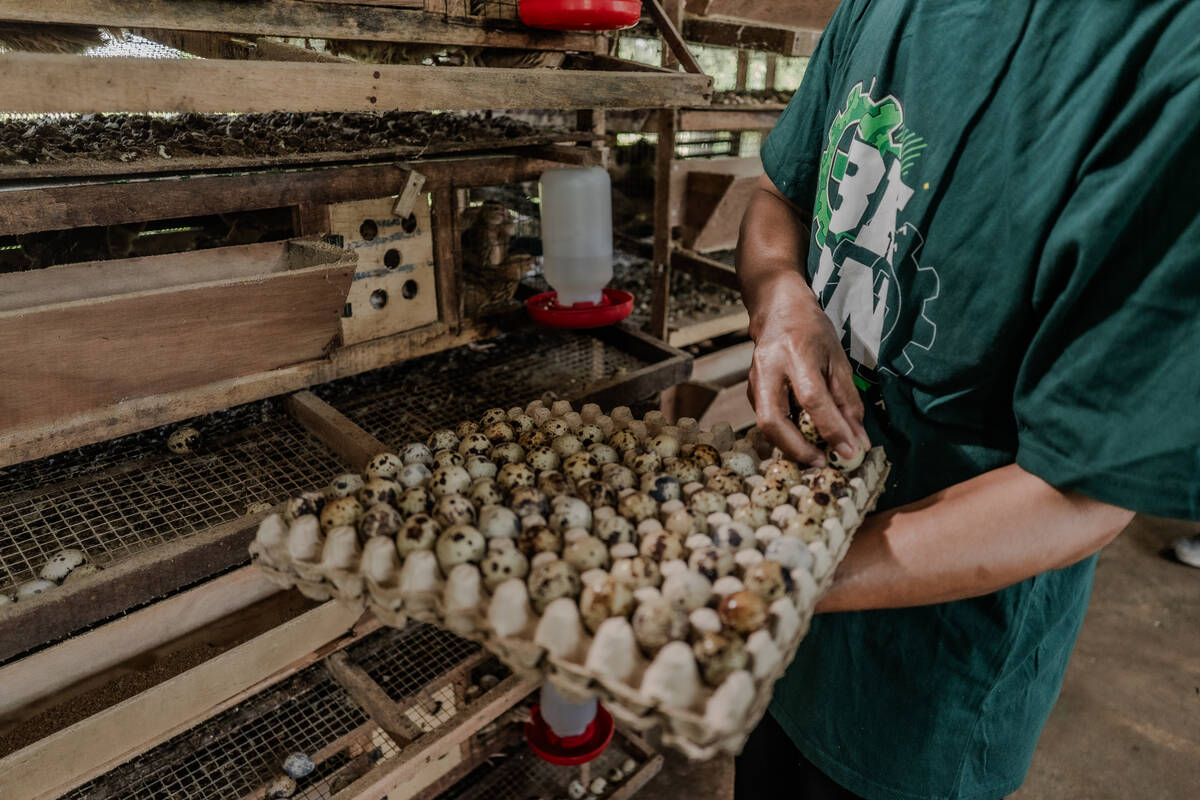
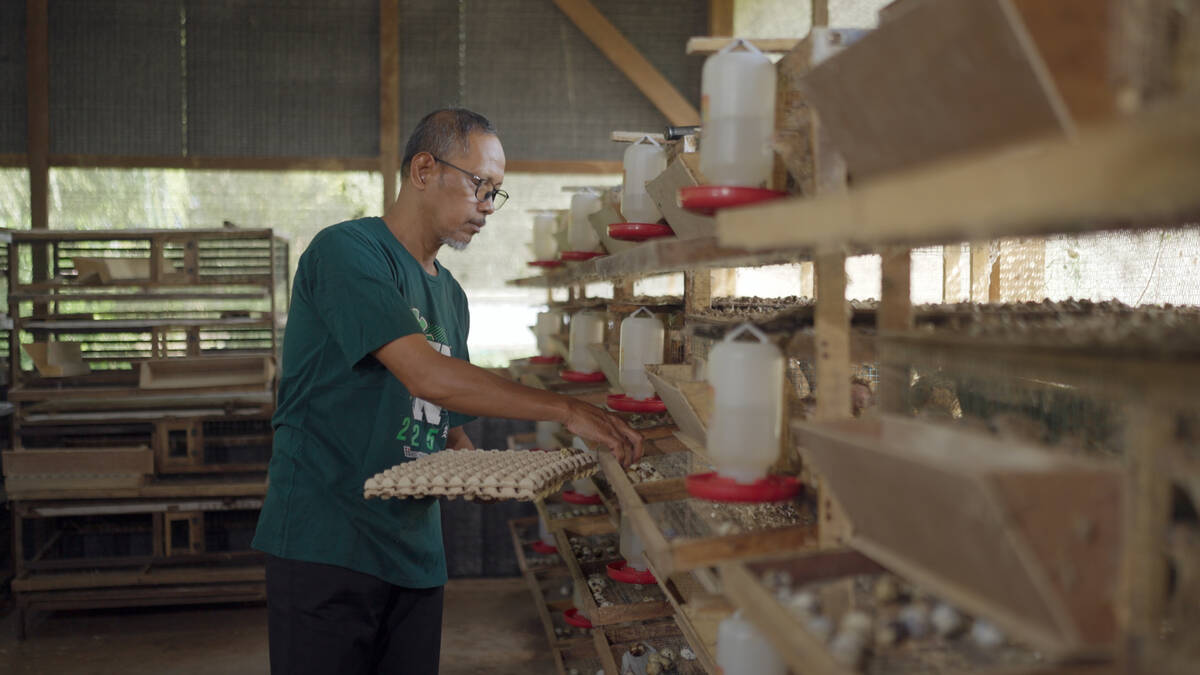
In the quiet village of Wonorejo, an inspiring story has emerged from the unwavering determination of a farmer named Agus Susanto. Years ago, Agus began his journey with just 30 quails, a modest start with limited capital and inadequate facilities. Yet, his belief never wavered. To him, each egg produced was a symbol of hope for a better future. When PT Borneo Indobara’s Community Empowerment Program (PPM) reached his village, Agus saw a glimmer of opportunity. With support in the form of quail chicks, improved housing facilities, and training in better farming techniques, his business began to grow rapidly. From just a few dozen birds, Agus now manages over 5,000 quails, producing more than 1.4 million eggs annually. The income he generates not only meets his family’s needs but also creates employment opportunities for local residents

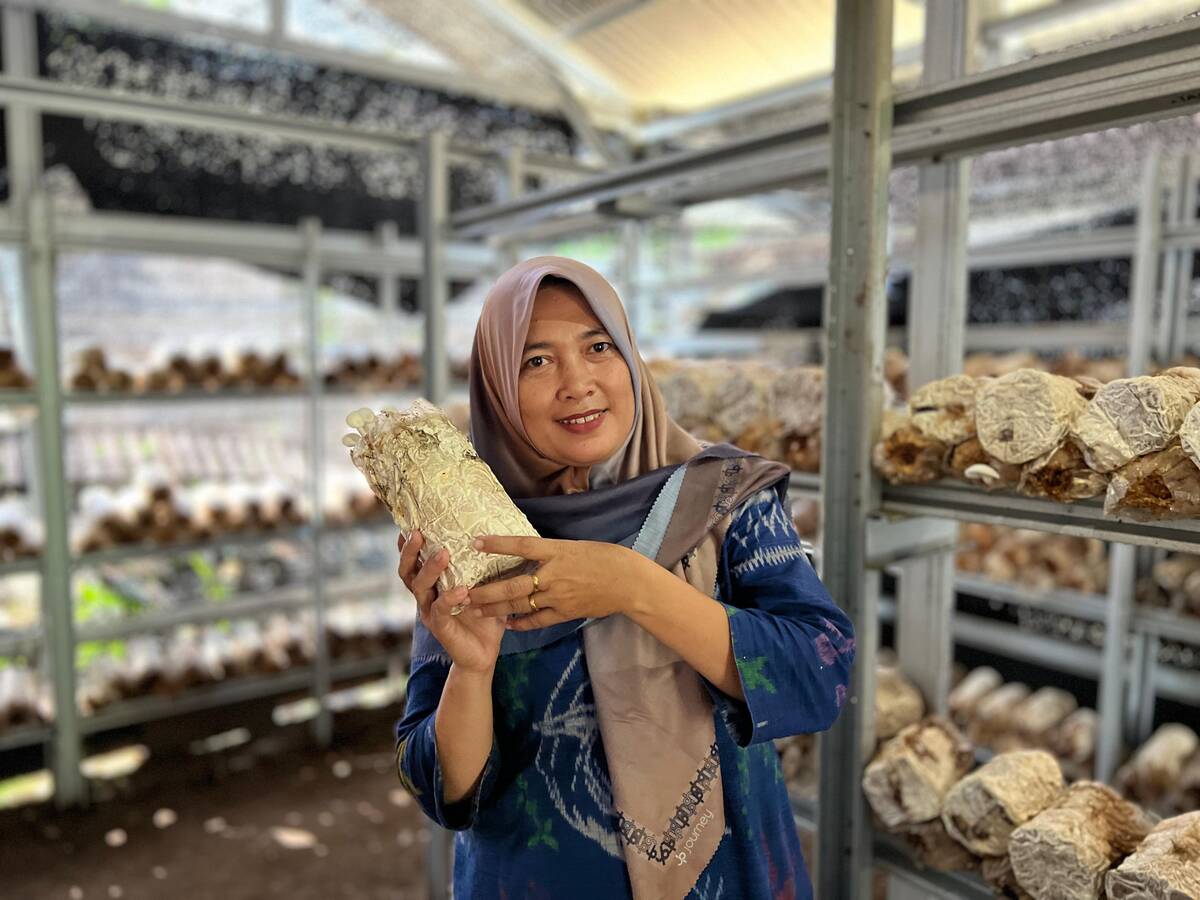
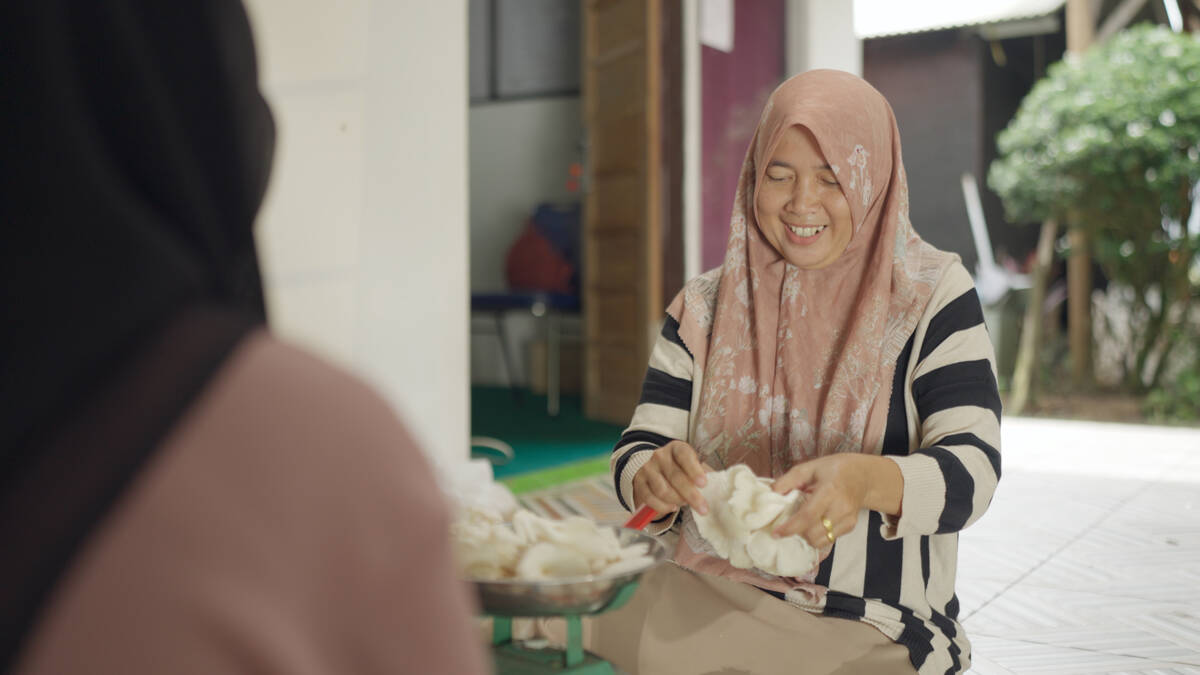
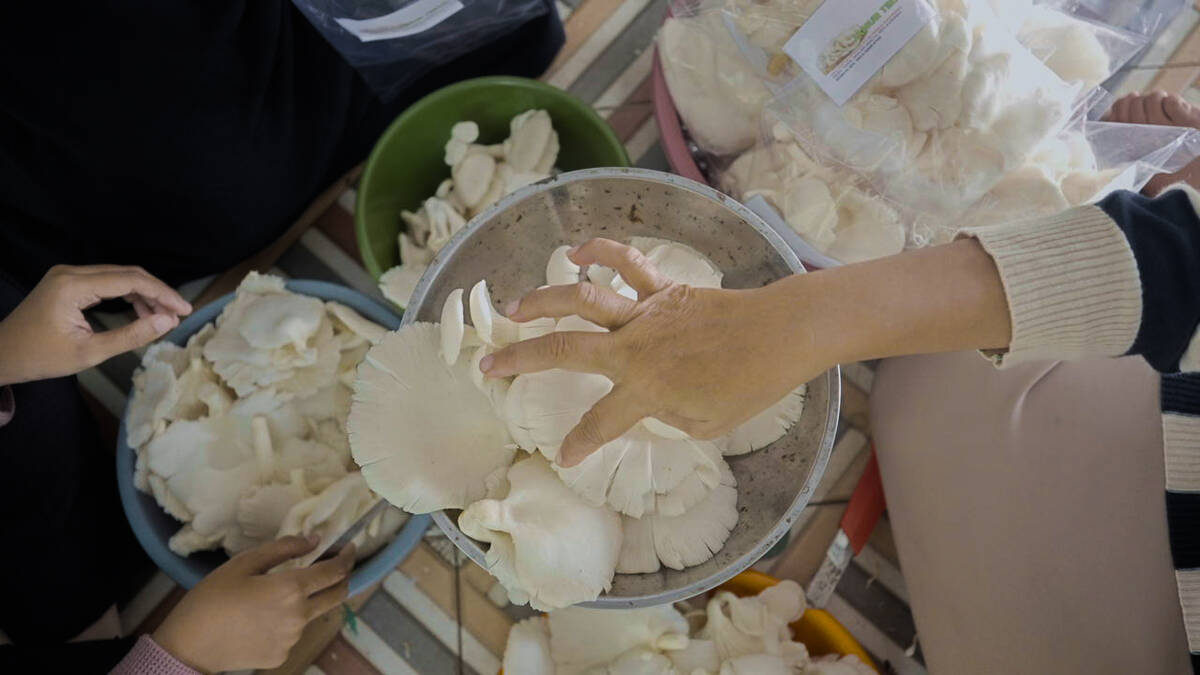
Mariati Plants Hope: A Woman from Mekar Mulya Village Harvests Dreams through Mushroom Cultivation

In the village of Mekar Mulya, Mariati has long observed the harsh reality faced by the women in her community. As both a village secretary and a mushroom cultivator, she has seen how many housewives and palm oil plantation workers struggle under economic pressure—dependent on unstable income from their husbands or enduring long, physically demanding hours in the fields. 

Change began when PT Borneo Indobara’s Community Empowerment Program (PPM) was introduced in her village. With support in the form of raw materials for producing mushroom growing bags (baglog), the construction of mushroom houses (kumbung), and intensive training, Mariati and her group began learning the proper techniques of mushroom farming. From knowing nothing about cultivation, they now produce over 500 kilograms of mushrooms annually.