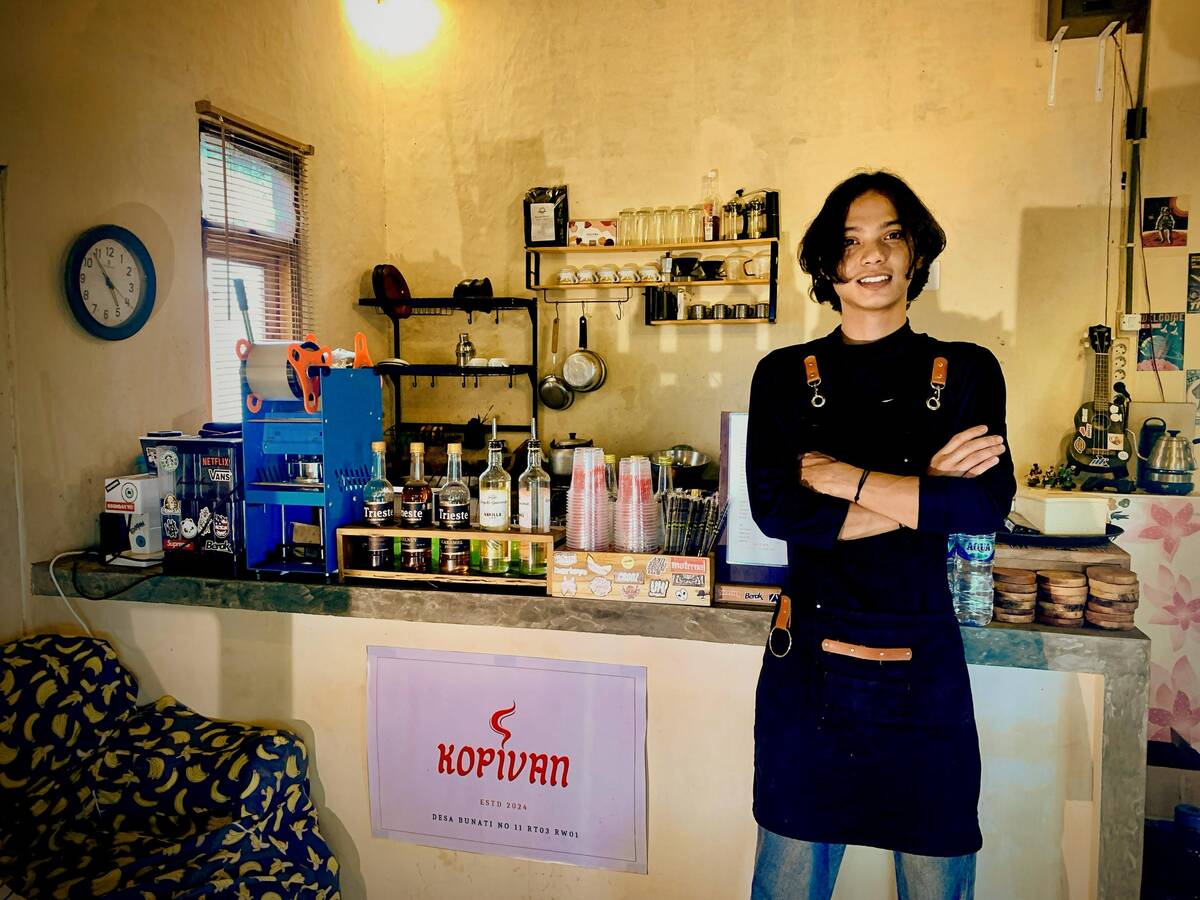
From Learning to Make Coffee to Becoming a Coffeeshop Owner
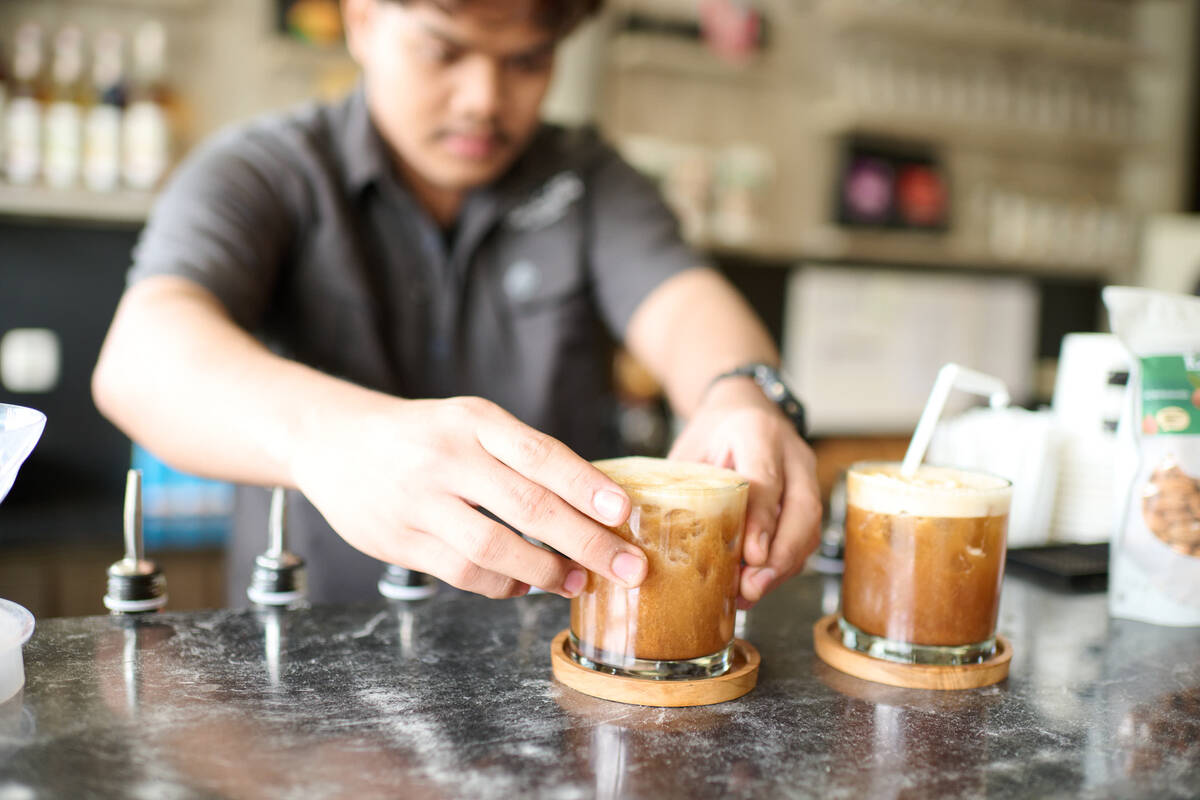
Currently, I am focusing on developing my own business, Cafe-Kopivan. After gaining extensive experience in the world of baristas and café operations through the CSR Village Agent program by PT BIB, I have become more confident in starting my own business in the field I’m passionate about. Through Cafe-Kopivan, I want to present a unique coffee shop concept by serving quality coffee using brewing techniques I have learned.

In addition, I continue to innovate by creating new menu items and offering a more personal experience for customers. Throughout this journey of building my business, I have also learned many new things, such as business and financial management to keep the business running steadily, marketing strategies both offline and through social media to reach more customers, and improving customer service so that everyone who visits Cafe-Kopivan has an enjoyable experience and wants to return.

I also want to share my knowledge with people who are interested in the world of coffee—whether they are friends, colleagues, or communities who want to learn more about being a barista and coffee brewing.
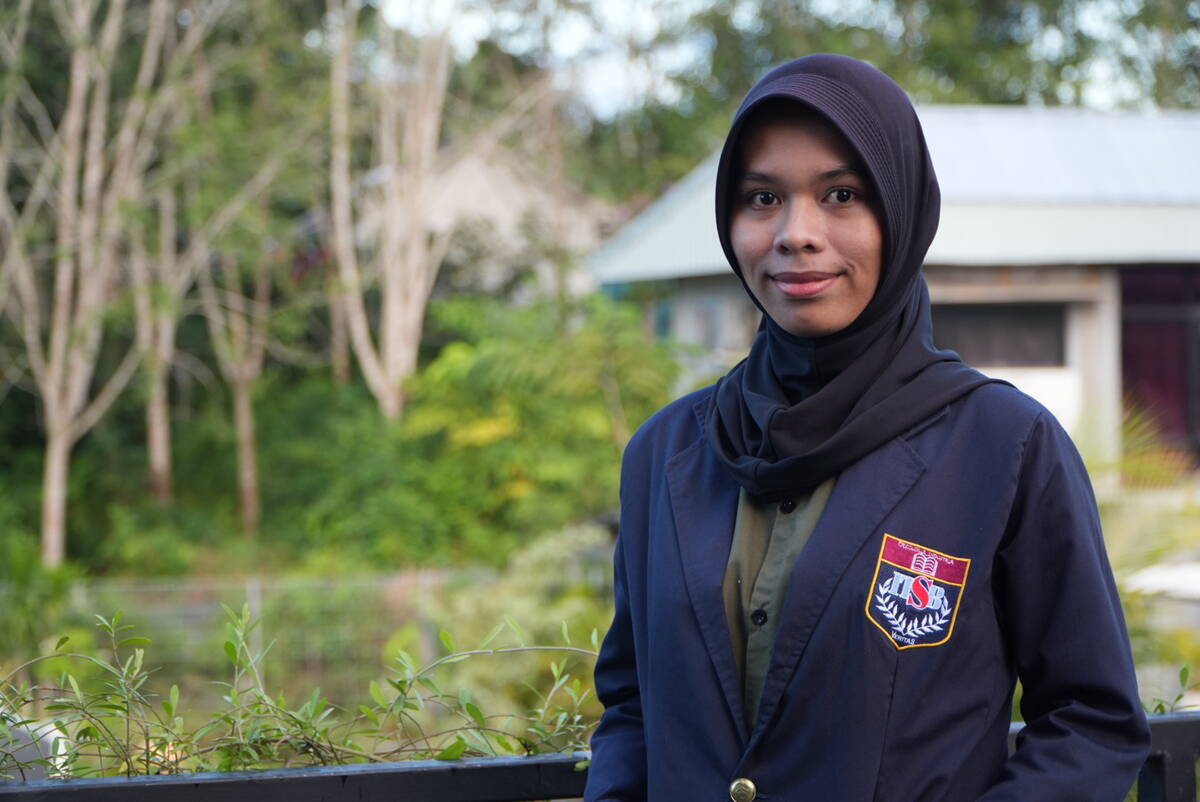
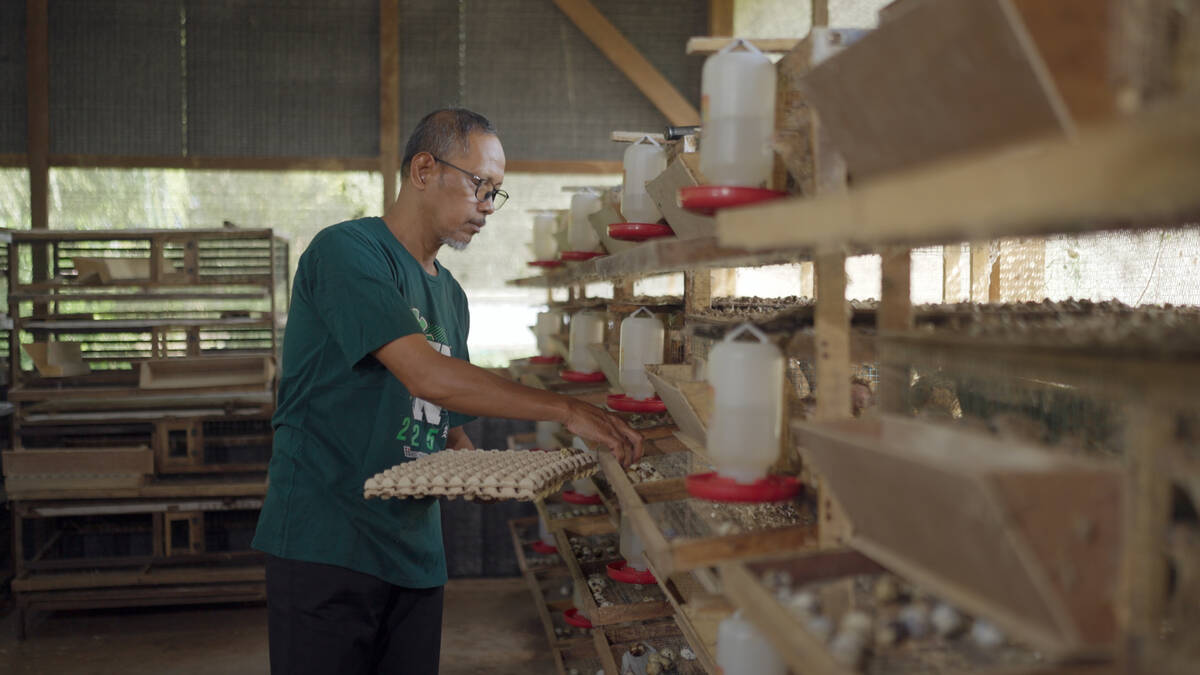
From 30 Quails to Thousands: The Determination of Agus Susanto, a Farmer from Wonorejo Village

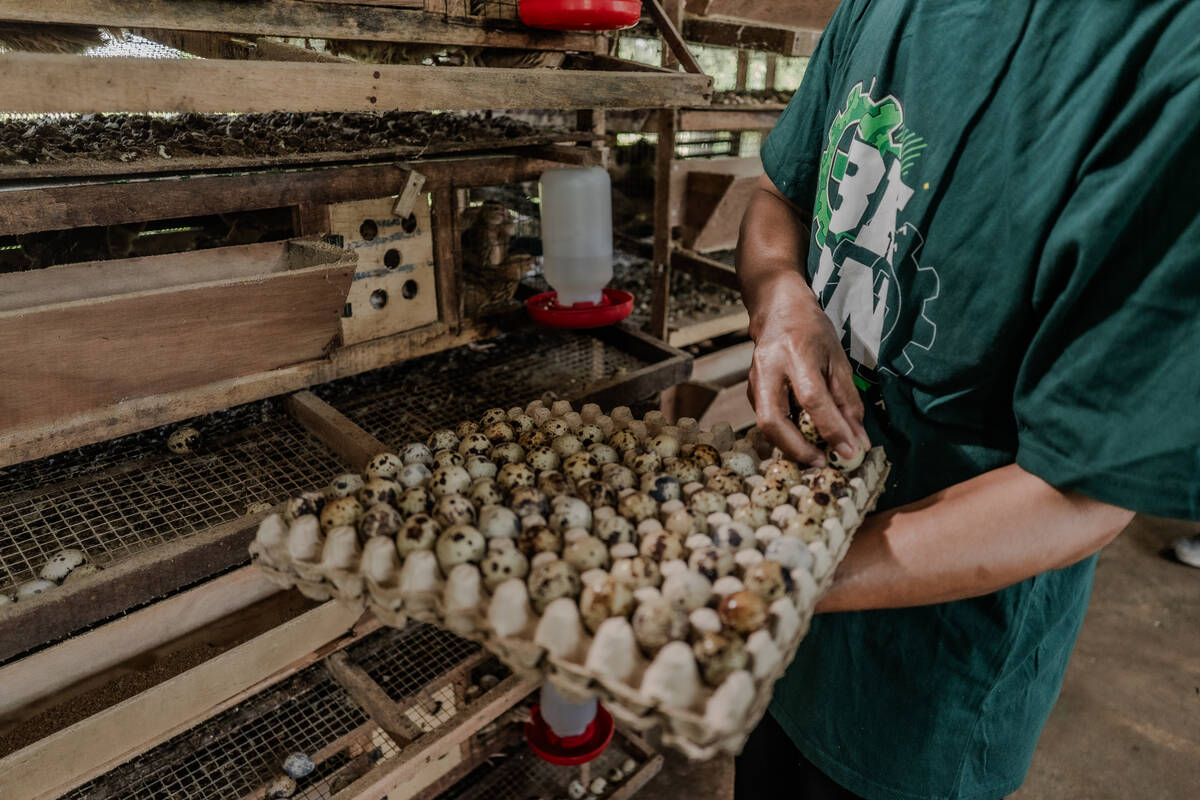
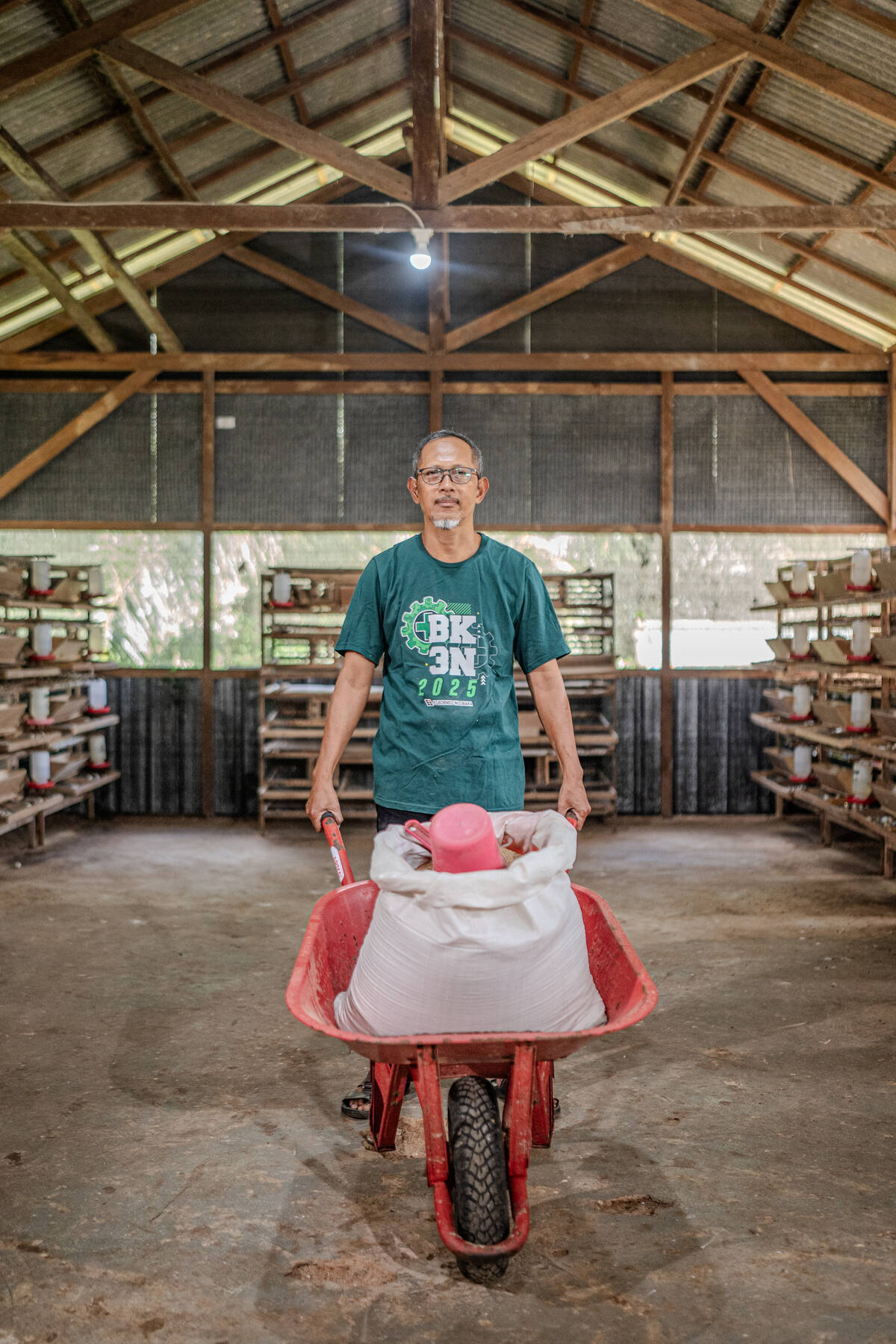
In the quiet village of Wonorejo, an inspiring story has emerged from the unwavering determination of a farmer named Agus Susanto. Years ago, Agus began his journey with just 30 quails, a modest start with limited capital and inadequate facilities. Yet, his belief never wavered. To him, each egg produced was a symbol of hope for a better future. When PT Borneo Indobara’s Community Empowerment Program (PPM) reached his village, Agus saw a glimmer of opportunity. With support in the form of quail chicks, improved housing facilities, and training in better farming techniques, his business began to grow rapidly. From just a few dozen birds, Agus now manages over 5,000 quails, producing more than 1.4 million eggs annually. The income he generates not only meets his family’s needs but also creates employment opportunities for local residents

Mariati Plants Hope: A Woman from Mekar Mulya Village Harvests Dreams through Mushroom Cultivation

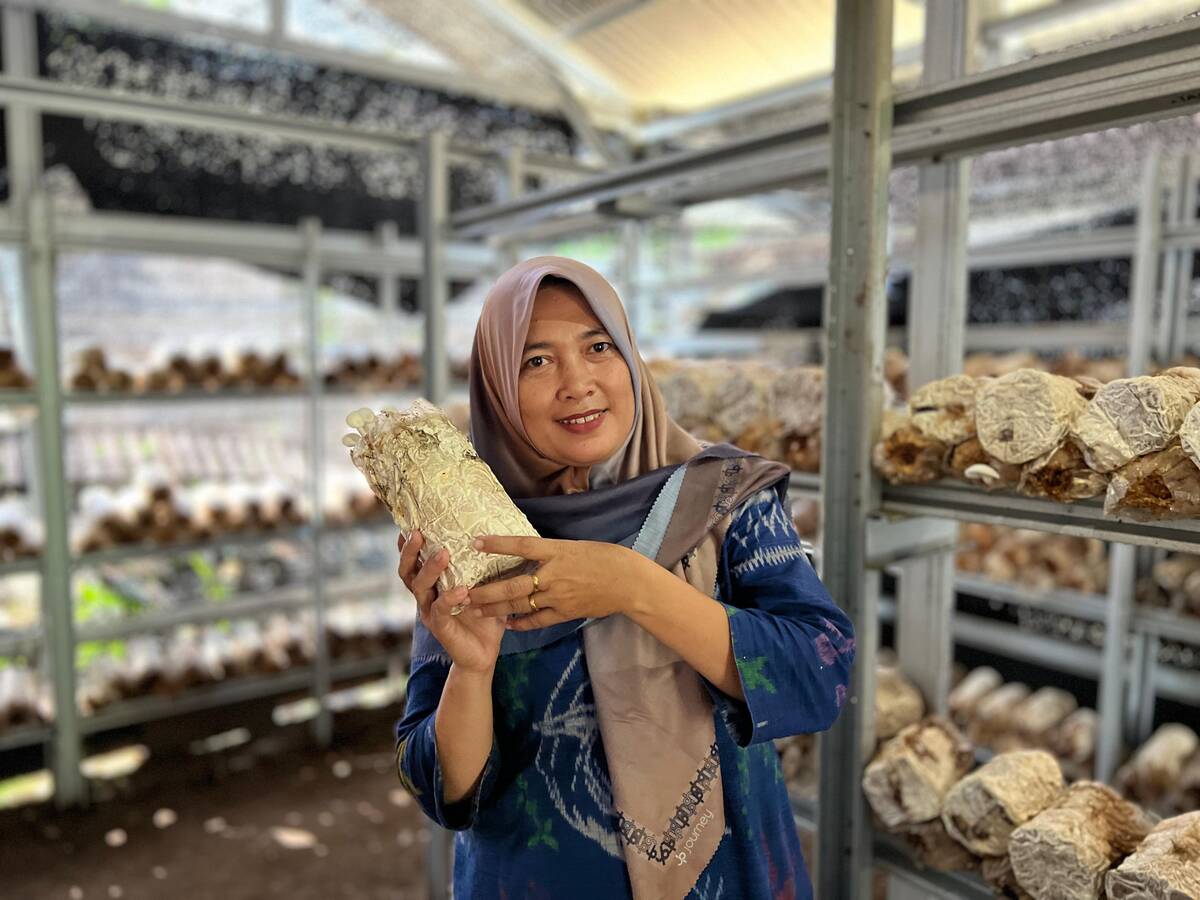
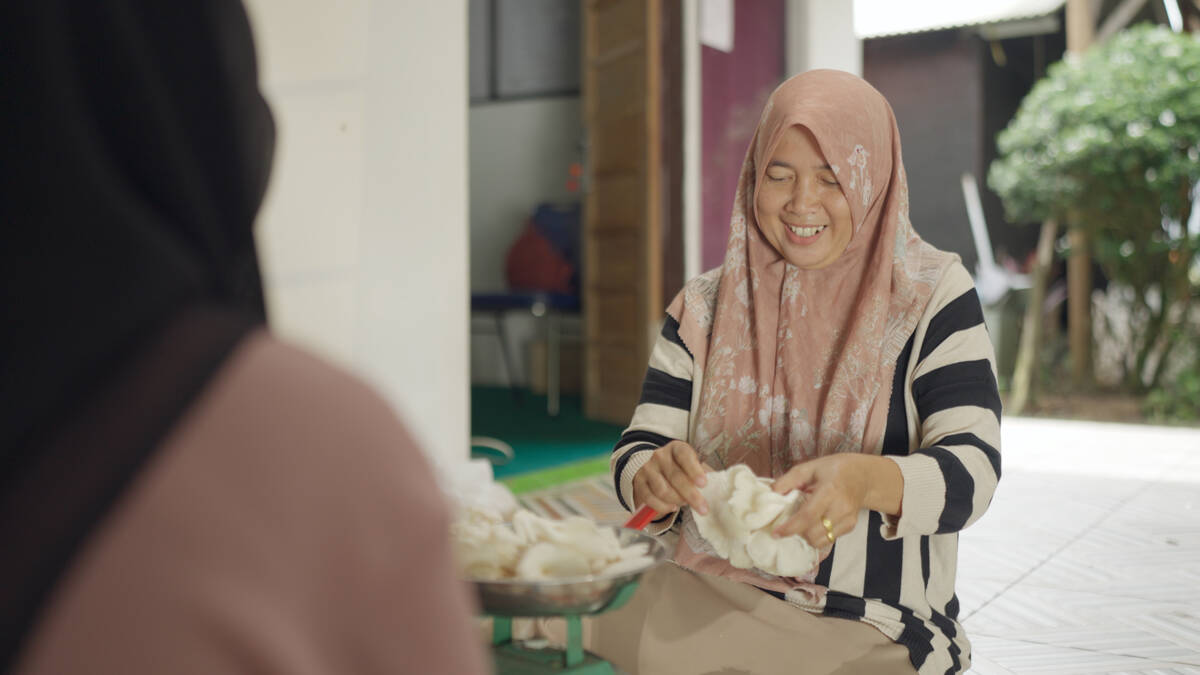
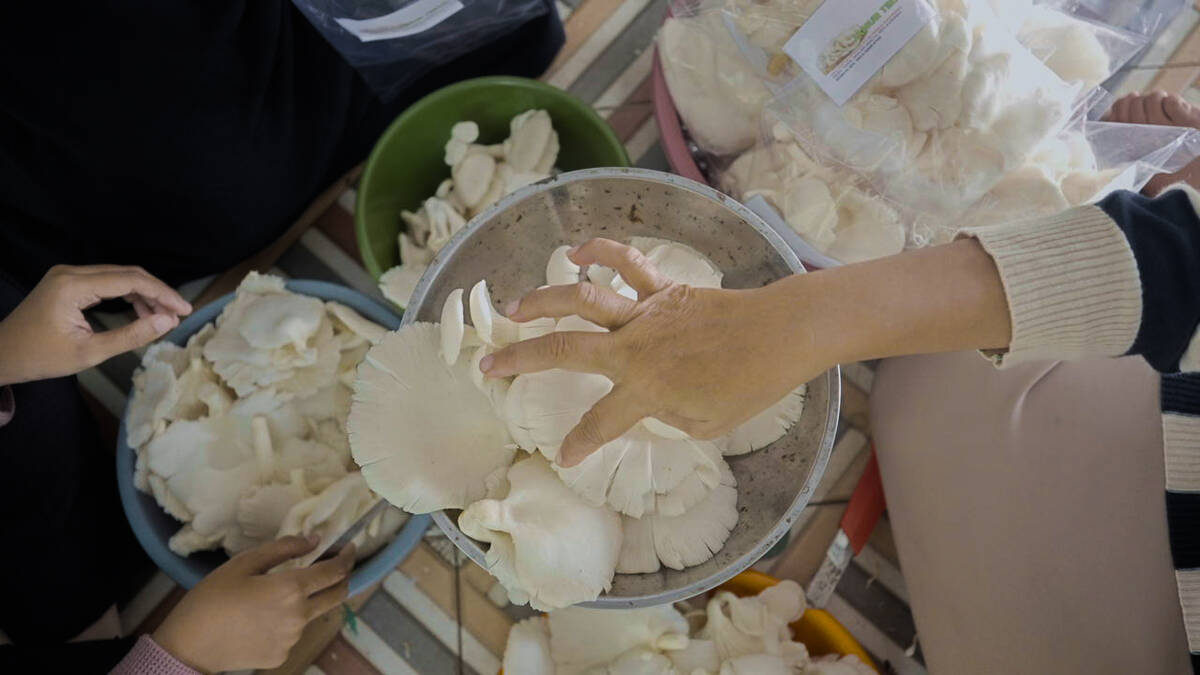
In the village of Mekar Mulya, Mariati has long observed the harsh reality faced by the women in her community. As both a village secretary and a mushroom cultivator, she has seen how many housewives and palm oil plantation workers struggle under economic pressure—dependent on unstable income from their husbands or enduring long, physically demanding hours in the fields. 

Change began when PT Borneo Indobara’s Community Empowerment Program (PPM) was introduced in her village. With support in the form of raw materials for producing mushroom growing bags (baglog), the construction of mushroom houses (kumbung), and intensive training, Mariati and her group began learning the proper techniques of mushroom farming. From knowing nothing about cultivation, they now produce over 500 kilograms of mushrooms annually.

Elderly Friendly Village

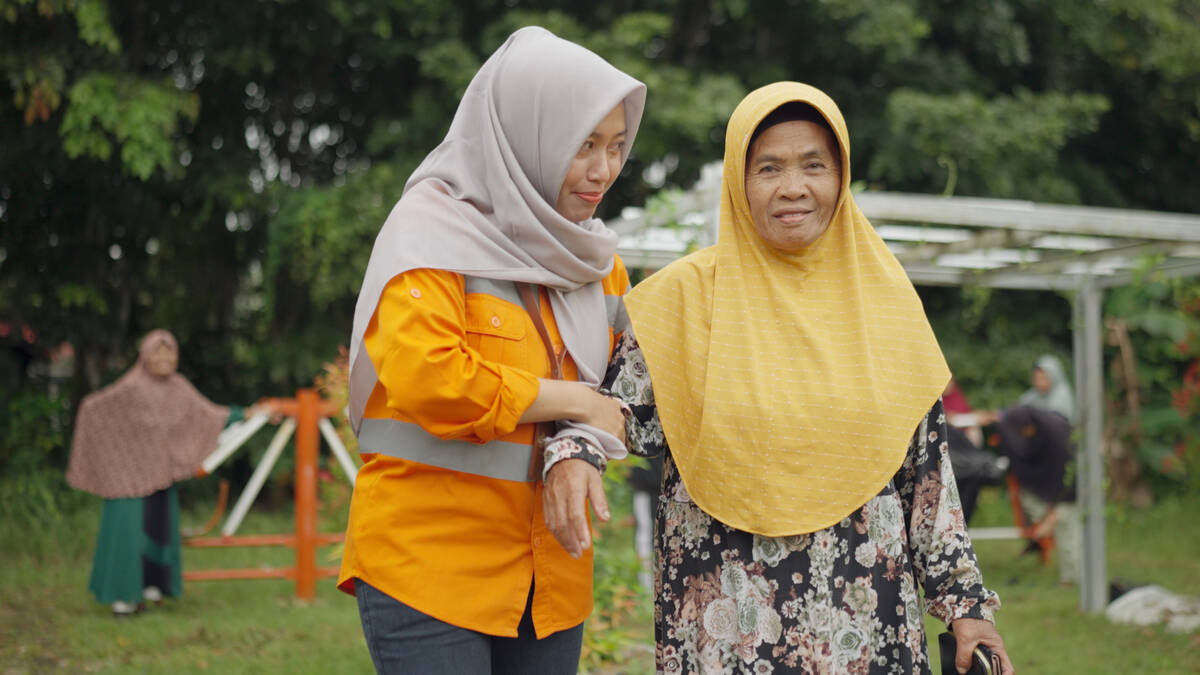
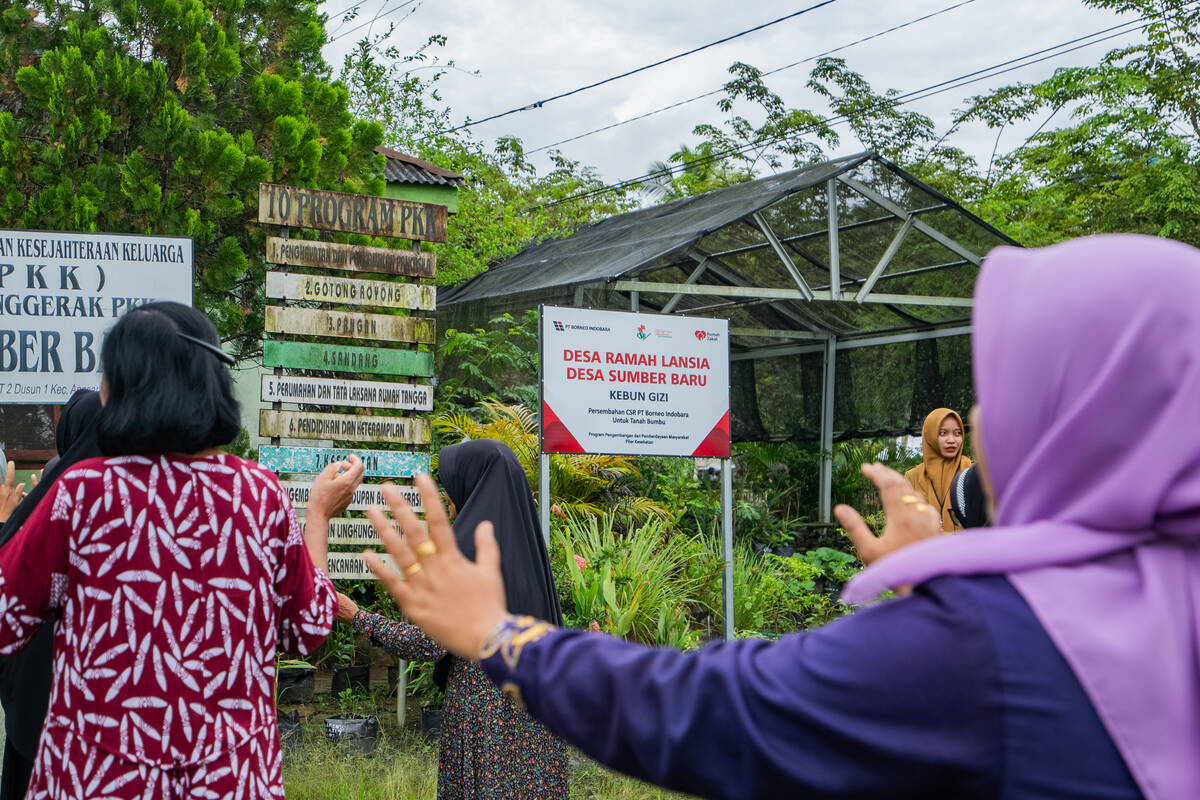
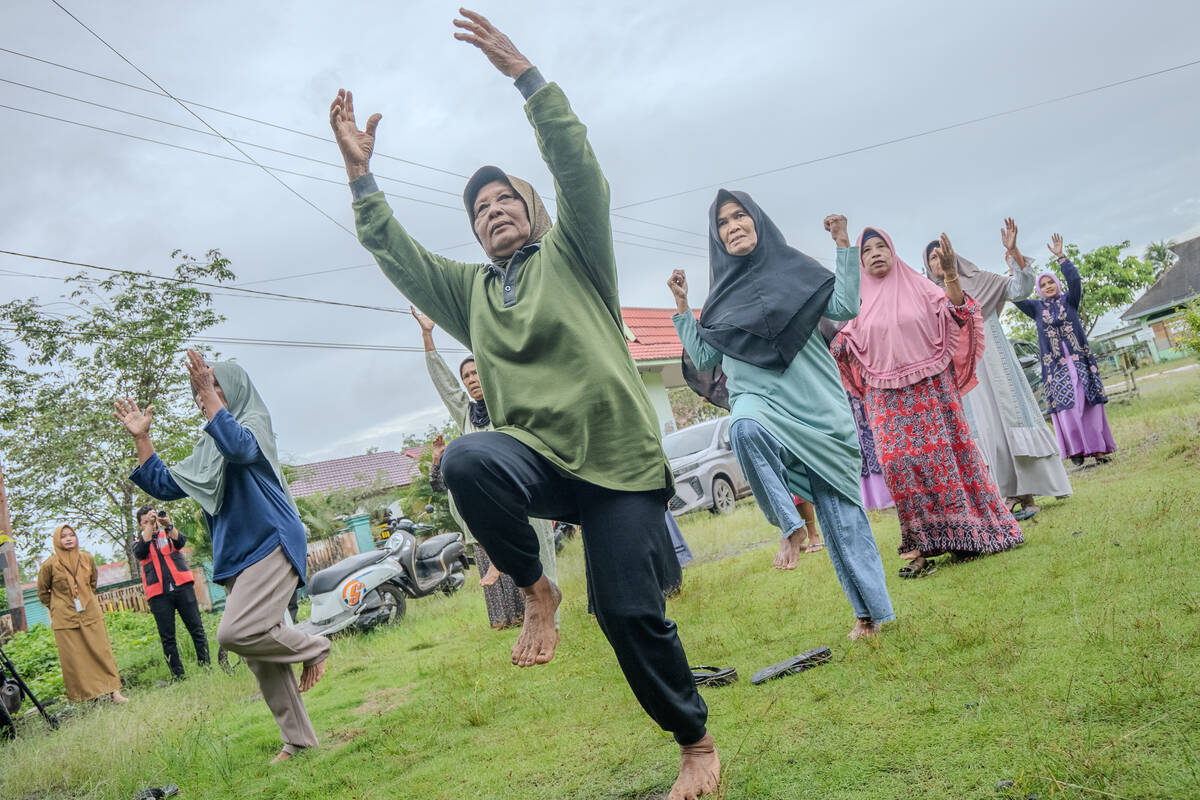
This program aims to foster an inclusive environment for the elderly by ensuring their access to healthcare services, social support, and meaningful, ageappropriate activities. The Elderly-Friendly Village serves as a model for how communities can take an active role in promoting the well-being of senior citizens. As part of this initiative, the “Elderly-Friendly Village” program has been implemented in Sumber Baru and Mekar Jaya Villages. In Sumber Baru, the Posyandu Lansia (Integrated Health Post for the Elderly) has shown increased participation, with an average of 45 elderly individuals attending each month, and peaking at 60 attendees in March. To improve accessibility, a “Senior Ride” service was introduced to pick up elderly residents from remote locations

Clean Water Interconnection

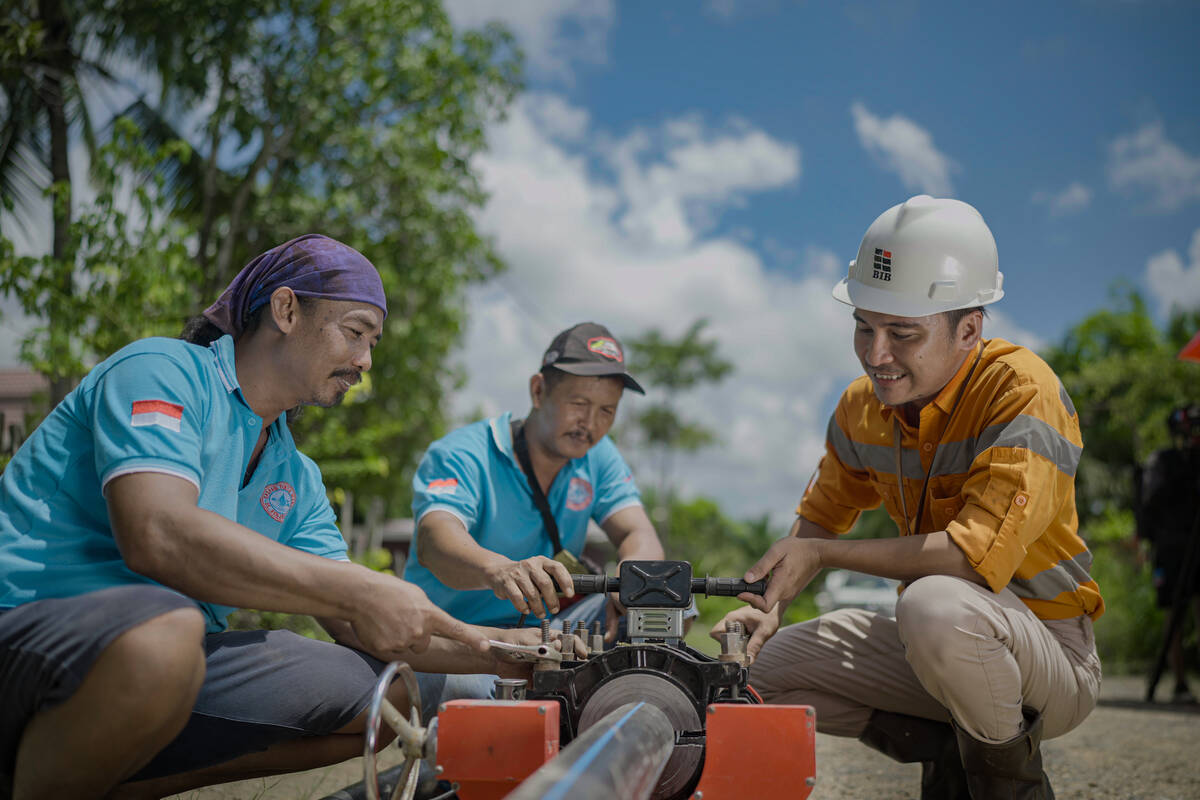
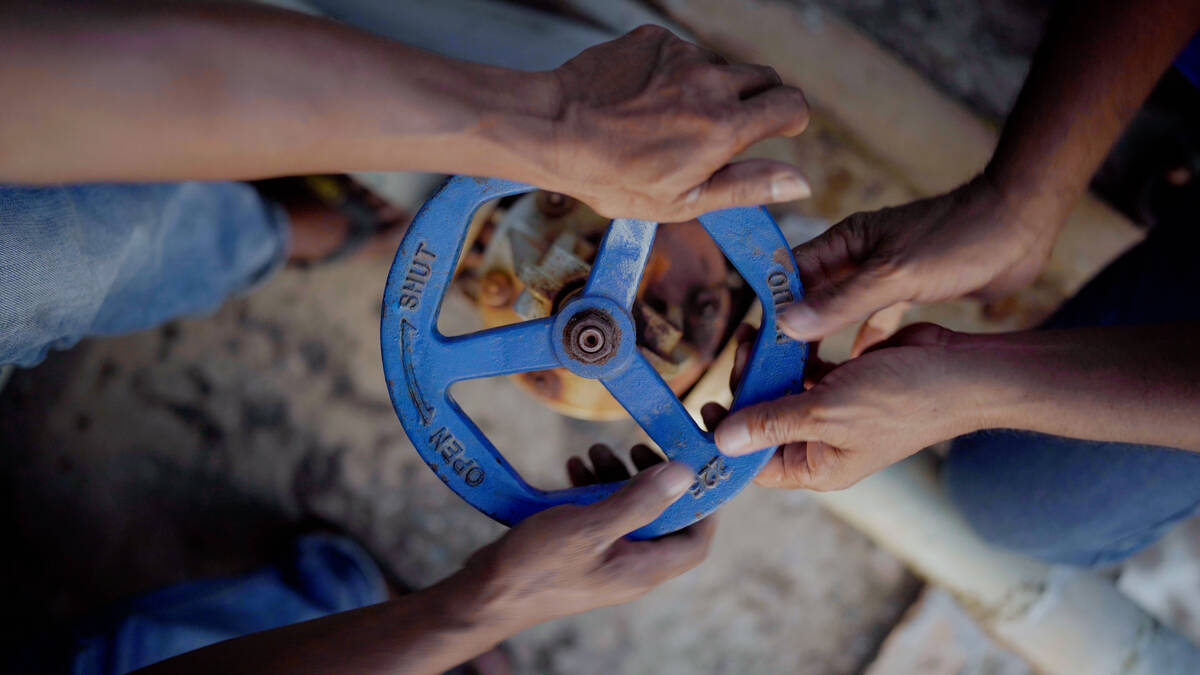
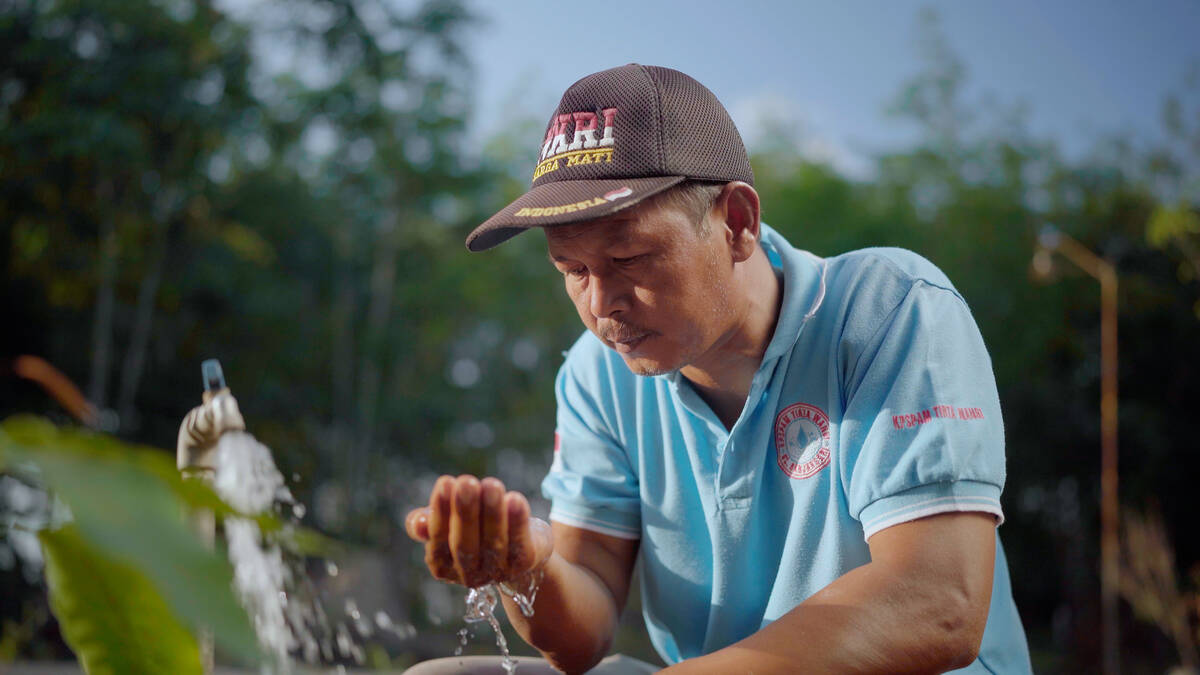
In 2024, PT Borneo Indobara implemented the Clean Water and Potable Water Interconnection strategy to enhance sustainable access to clean water for local communities. This initiative is supported by a series of integrated sub-programs that not only aim to ensure the availability and sustainability of clean water supply through more efficient resource management and infrastructure improvement, but also serve as a step toward realizing a future-fit society. By establishing an interconnected clean water system, the program contributes to building more self-reliant and empowered communities, particularly in mining areas, with improved water quality and better public health outcomes. Furthermore, this strategy functions as part of the company’s exit strategy in the area of water access—ensuring that even after mining operations cease, communities continue to benefit from a reliable and sustainable water supply system. The Clean Water and Potable Water Interconnection strategy is supported by two key programs specifically designed to lay a strong foundation for long-term clean water management.

Feed Mill

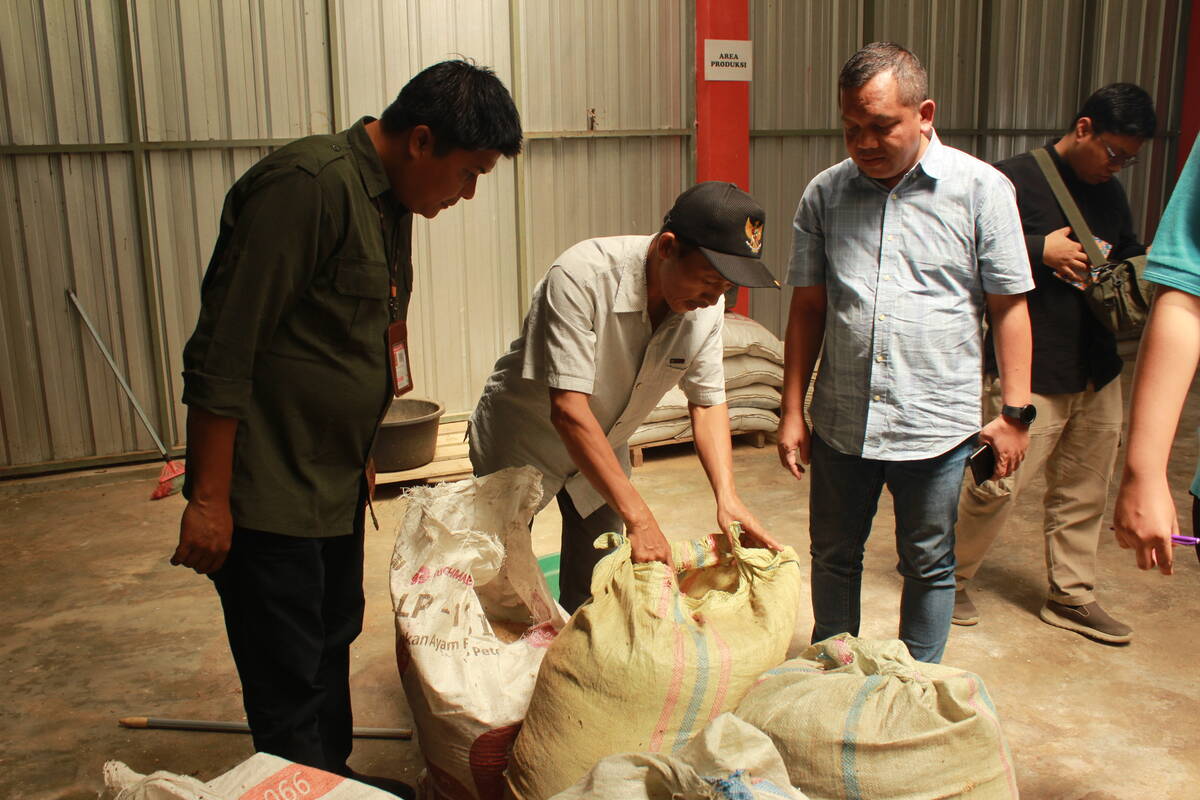
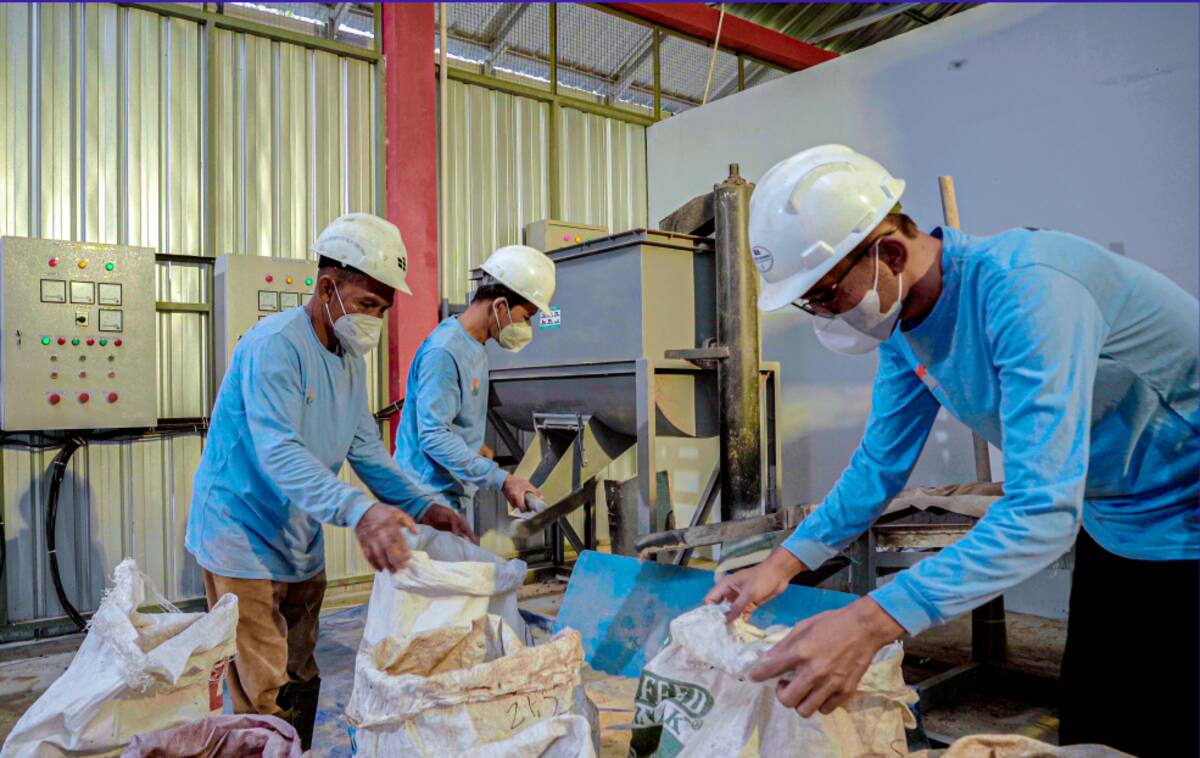
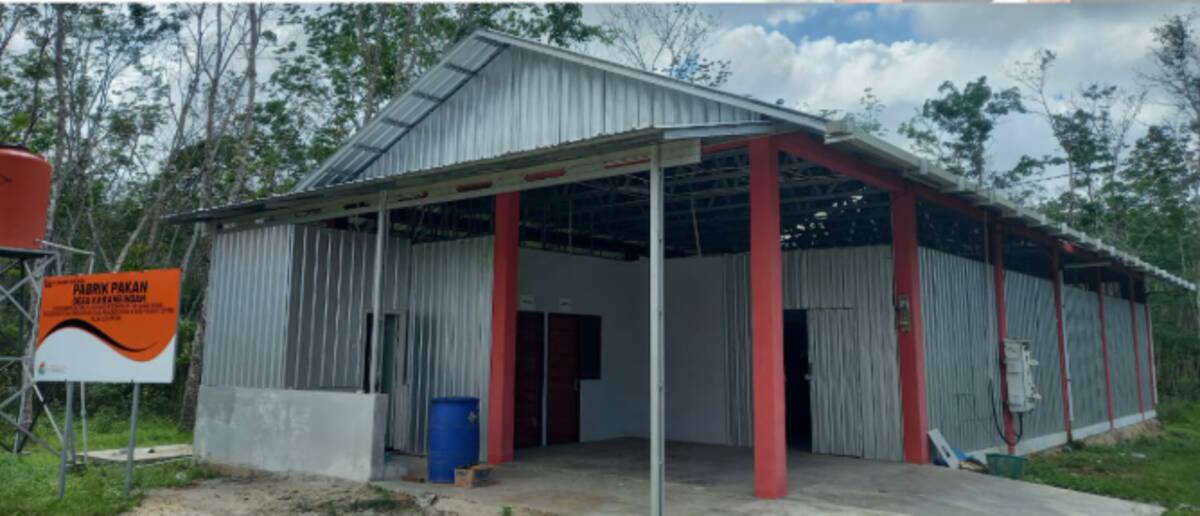
PT Borneo Indobara (PT BIB) plays an active role in supporting the livestock and aquaculture sectors in Tanah Bumbu Regency through various strategic initiatives. Recognizing the importance of these two sectors for the local economy, PT BIB aims to improve production efficiency and enhance the welfare of farmers and fish breeders—particularly by addressing a major challenge: the high cost of feed. In 2021, PT BIB provided a simple diesel-powered feed-making machine to a catfish farming group in Karang Indah Village. This initiative aimed to reduce dependence on increasingly expensive commercial feed, believed to be affected by market monopolies. Through continuous support and experimentation, the group successfully developed its own feed formula and began home-scale independent production. This success not only reduced production costs but also opened up new business opportunities by selling feed to other groups